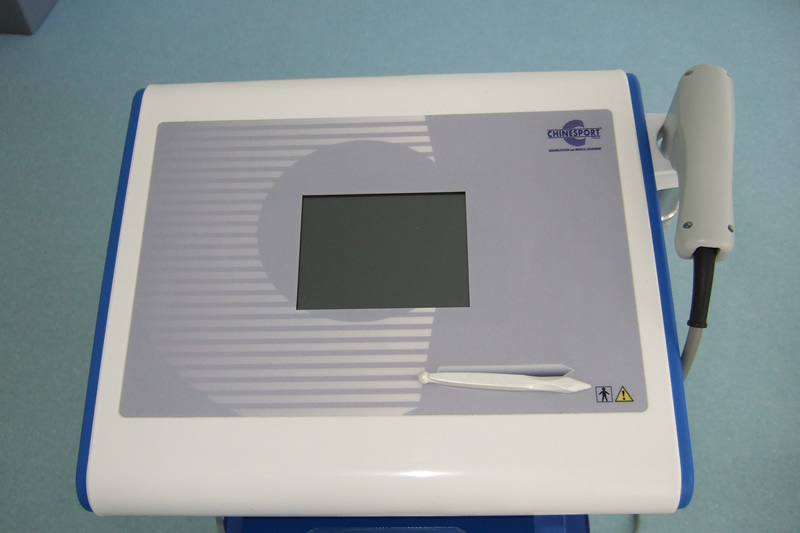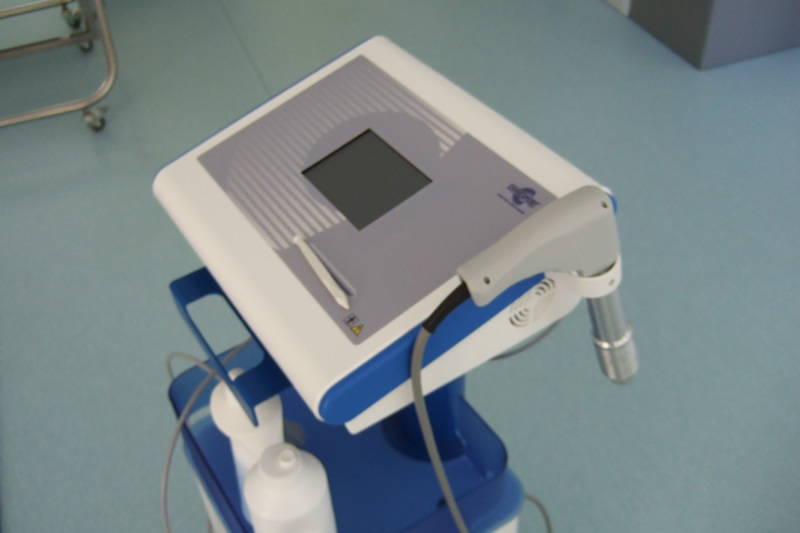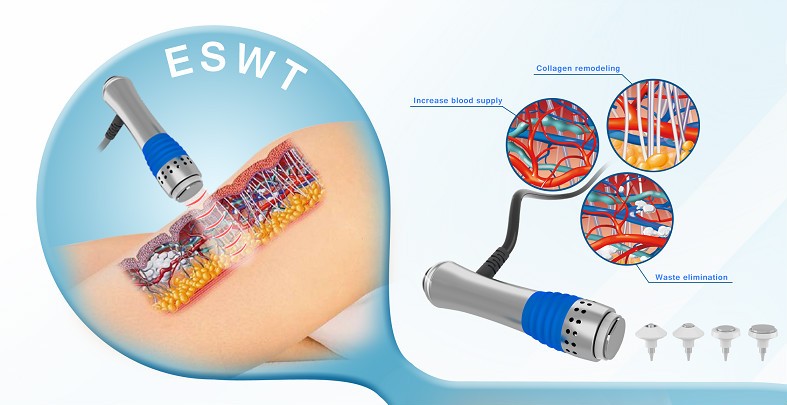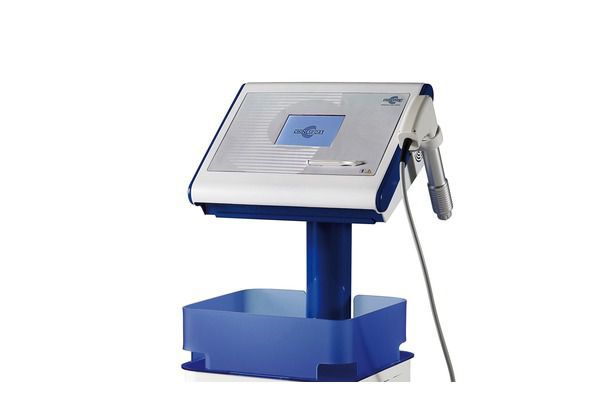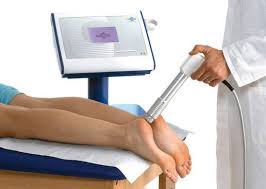
Deep shockwave therapy (ESWT – Extracorporeal Shockwave Therapy) is a modern, non-invasive treatment for degenerative and calcific changes affecting tendons and muscles. ESWT is a therapeutic method in which high-energy pulsed waves are transmitted to the subcutaneous tissues through a dedicated applicator. This creates controlled micro-injuries in the painful or inflamed area, thereby promoting the healing process of damaged, inflamed and painful structures.
The treatment is most commonly used in the following cases:
- calcifications in the tendons or bursa of the shoulder joint;
- inflammation and degenerative changes of the Achilles tendon;
- inflammation of the patellar ligament or quadriceps tendon;
- painful heel spur (plantar fasciitis);
- inflammation of the tendons in the elbow region (epicondylitis);
- trochanteric bursitis.
For optimal treatment results, five sessions are generally required. A frequency of 10 to 20 Hz is usually used, with 1,500 to 3,000 shockwaves delivered during each session. The intensity of the waves is adjusted to each individual patient according to their pain threshold. The number and intensity of the waves depend on the diagnosis and the area being treated.
Shockwave therapy is prescribed by an orthopedic specialist, traumatologist or physiatrist based on X-ray, ultrasound or MRI examinations and a clinical assessment. Before the treatment, the area to be treated can also be identified and marked using ultrasound guidance.
The therapy is generally performed once a week and can be combined with other treatment methods, such as manual therapy, cryotherapy, TECAR therapy and laser therapy. Pain relief may occur after the third session, while the effectiveness of the treatment is generally assessed three months after completion of the treatment cycle.
The therapy is contraindicated during pregnancy, in the immediate period following surgery, in cases of recent injuries, and while taking anticoagulant medication.