Anesthesia prevents the patient from experiencing pain during a procedure. There are four main types of anesthesia:
Local anesthesia – an injection numbs a small area of the body; the patient remains fully conscious and does not feel pain. Local anesthesia is generally administered by the surgeon.
Regional anesthesia – this type of anesthesia numbs a larger part of the body. The patient remains conscious and, if necessary, receives sedative or sleep-inducing medication to help them relax, feel drowsy and experience less fear or discomfort.
General anesthesia – medications induce a state similar to deep sleep. The patient does not feel anything and is unconscious.
Sedation – the patient receives medication to promote relaxation and drowsiness, often in combination with local or regional anesthesia. After sedation, the patient may remember what happened during the procedure completely, partially, or not at all.
Who is an anesthesiologist?
An anesthesiologist is a specially trained physician who discusses the most appropriate type of anesthesia with the patient, helps them make a choice, develops an anesthesia and pain management plan, and ensures their safety during surgery and in the recovery room.
Preparation before surgery
Before the procedure, the anesthesiologist conducts a preoperative assessment or consultation, during which the patient provides information about their health condition, medications they take, any allergies, and previous problems or reactions to anesthetics. The patient also provides, among other information, recent blood pressure measurements.
The anesthesiologist discusses the available options, risks and the patient’s preferences. Together, they then choose the most appropriate type of anesthesia based on the type of surgery and the patient’s health condition.
On the day of surgery
The patient must not eat for six hours before the procedure. Clear liquids may be consumed up to two hours before the procedure. Milk, carbonated drinks, alcohol, fruit juices and smoothies are not permitted during this period, as food or liquid in the stomach during anesthesia can be life-threatening.
Patients with diabetes, patients taking blood-thinning medication and smokers receive additional instructions.
Before coming to the operating room, the patient must remove nail polish, as a pulse oximeter is placed on the finger during anesthesia to measure blood oxygen saturation and heart rate through the nail. In particular, dark, glossy or thick nail polish, as well as gel or artificial nails, can make the measurement more difficult or affect its accuracy.
The patient must also remove all jewelry and piercings before the procedure.
Administration of anesthesia
A thin tube (cannula) is inserted into a vein through which medications are administered.
With general anesthesia, the patient falls asleep and breathes through a breathing tube, which is removed before the patient wakes up.
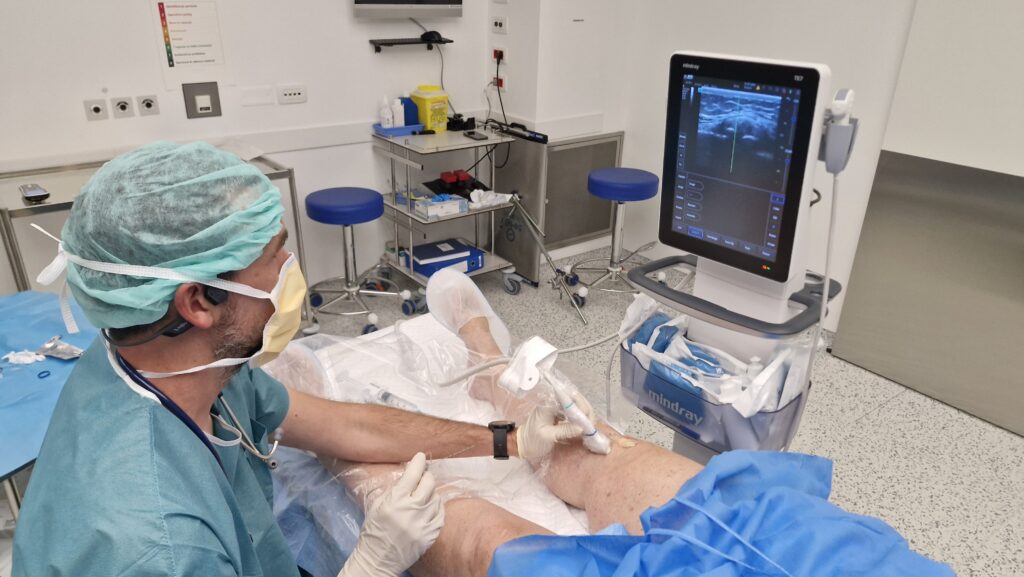
With regional anesthesia, the anesthesiologist uses ultrasound to locate the nerves and checks the effectiveness of the anesthetic before the procedure begins. In this case, the patient remains awake unless sedation is administered. During the procedure, a screen or drape may be used to prevent the patient from seeing the surgical field.
After surgery
After the operation, the patient is generally transferred from the operating room to the recovery room, where they remain under medical supervision until they are stable, feel safe and have sufficiently recovered.
The type and amount of pain medication administered (tablets, injections, local or regional anesthetics) depend on the type of procedure and the intensity of the pain. It is recommended that patients have a supply of over-the-counter pain medication at home, such as paracetamol.
After the procedure, the patient must not drive or operate a vehicle. Transportation home should be arranged with the help of family members or other close persons.
After discharge, the patient should contact their doctor, Bisturmed Medical Center or emergency medical services if the pain worsens or if swelling, chest pain or breathing difficulties occur. If the patient feels very unwell, they should visit the nearest emergency department as soon as possible.
For answers to questions specific to your procedure, please consult your anesthesiologist.